Memory Quilt now on display in the Oncology Unit Castle Hill Hospital.
Each heart individually designed and stitched by EYES members in memory of a loved one.
![IMG-20180831-WA0000[1]](https://eyes-embroidery.co.uk/wp-content/uploads/2018/09/img-20180831-wa00001.jpg?w=604)
Each heart individually designed and stitched by EYES members in memory of a loved one.
![IMG-20180831-WA0006[1]](https://eyes-embroidery.co.uk/wp-content/uploads/2018/09/img-20180831-wa00061.jpg?w=604)

The Chair and Vice Chair challenge you to make a 3D item on the theme of ‘My pot of gold’ This could be a bag, box or container or free standing 3D object. Prizes will be awarded at the Judge’s discretion.
Entry forms and further information will be available at EYES meetings from October 2018


Lindsay shared with us her textile travels, learning first hand, techniques of dyeing, weaving and printing. It was in Gujarat that Lindsay developed her interest in Islamic pattern after visiting some of the area’s historical sites. She travelled to two different areas within Gujarat spending some time with local weavers and dyers. On her return to Scotland Lindsay trialled some of the methods she had seen .

Above. A boy’s dress hand embroidered with traditional patterns from the Kachchh area of Gujarat. Although much of the symbolism of these traditional patterns may be lost the young women still use them in their work.
A very enjoyable and interesting afternoon sharing Lindsay’s travels.


Catherine drew a pattern of her life and influences through the many and varied textile pieces she brought to our society. Born in New Zealand,the child of emigrants, she returned to England aged 18, but New Zealand and it’s culture have remained her muse.
Her own journey in textiles started out with kits and then developed into individual works ranging from wall hangings and quilts to coats and jackets. Many of the pieces having been specifically designed as commissions for Knitting and Stitching Shows.


One particular aspect of Catherine’s textile art is landscapes inspired by favourite views especially New Zealand. To this end Catherine shared her expertise and skills with us the next day in her Layered Landscapes workshop.
The, partial, results, of this day school can be seen on our workshop page. We look forward to seeing the completed pieces in May.
Another fantastic speaker inspiring us all with her on journey into textiles.


Queen of Fashion
What Marie Antoinette wore to The Revolution
Julia’s talk about Mari Antoinette was a wonderful insight into the 18th Century French Aristocracy and women’s styles of the time.
Her attention to detail, historical accuracy and enthusiasm for the subject was contagious. Members were encouraged to view the garments and ask further questions following Julia’s talk.
This article is deliberate in not including content of Julia’s talk as we would encourage everyone interested to visit Julia’s website to find out where she will be speaking in the future. A wonderful afternoon.


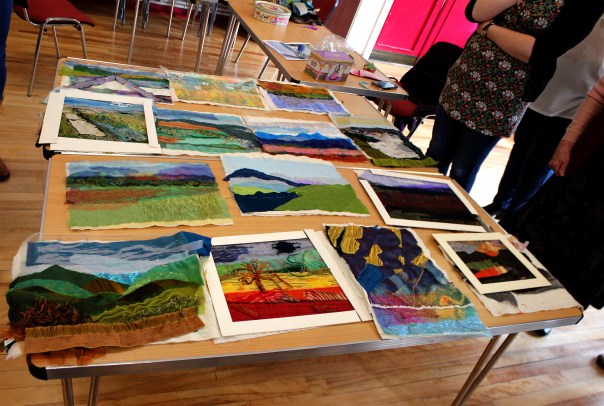
A fantastic weekend was had by all those who attended, lots of sun, fun and laughter and a tremendous amount of work, to a high standard, was produced, thanks to the brilliant tuition from Karen (very patient and understanding). Please see below pictures of those hard at work producing these masterpieces and then the finished products. Some very brave attendees also managed to make 3d items, eg bags and a bowl. We look forward to next year.


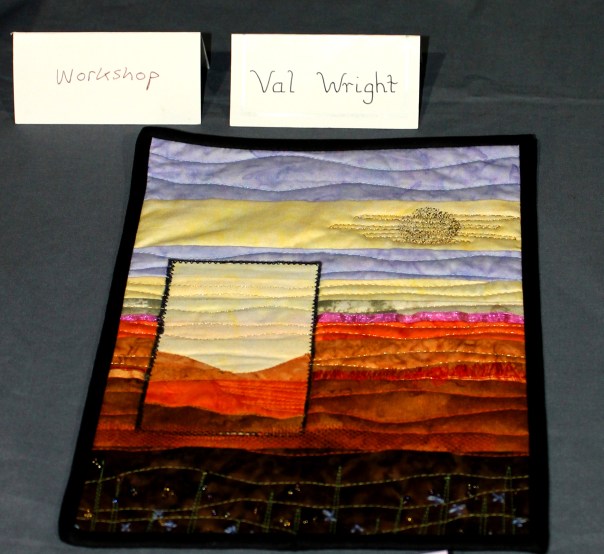


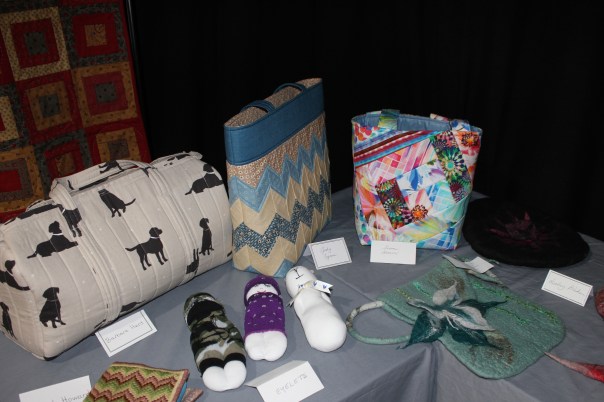


This is a type of work done by the Kuna Indians of Panama and is mostly reverse applique with a small amount of simple embroidery and minimal applique. I am from a northern climate so my images reflect that – ‘Norse Runes and Yggdrasil’ (the world tree) rather than images of jungle and South American mythology which is typical of their creations.
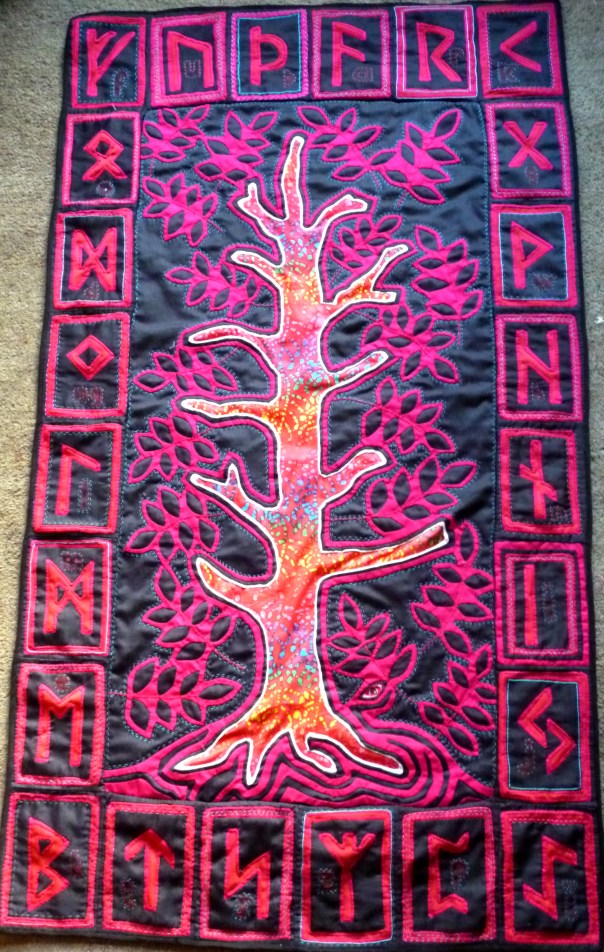

 Phillipa Naylor Workshop


November 2017 Stage Display
This month’s display had many completed items from the October Day School.
In line with November’s speaker Susan Brett brought along two embroidered pieces, the Tray Cloth and The Tree of Life, completed by her Aunt, Ethel Taylor, before WWII . Dr Kay-Williams of the RSN said that the Tree of Life was , and still is, a common theme in crewel work.
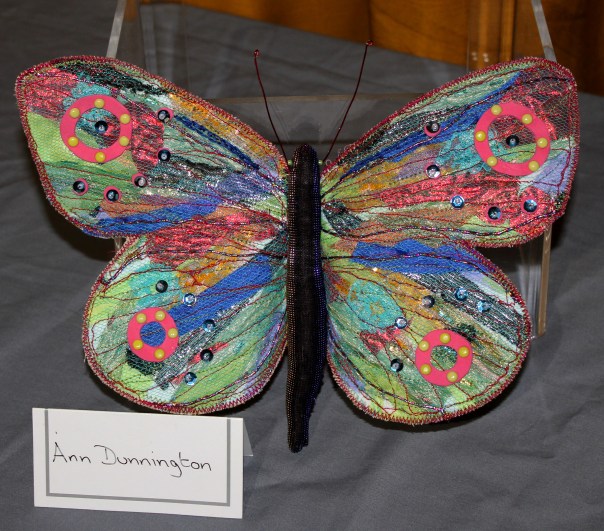
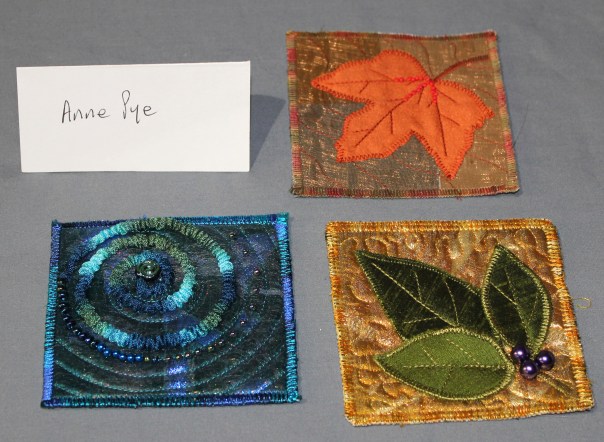
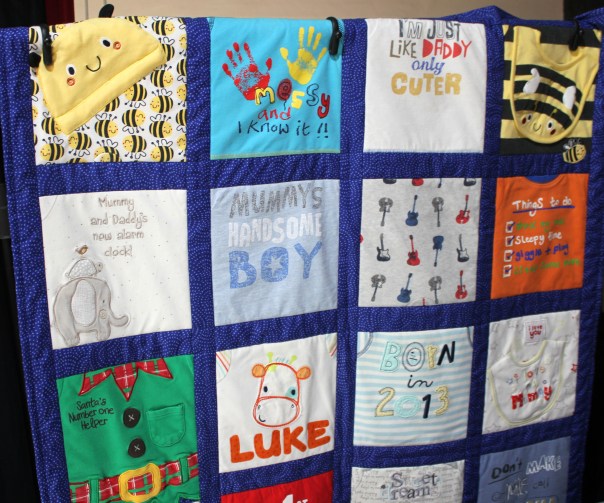


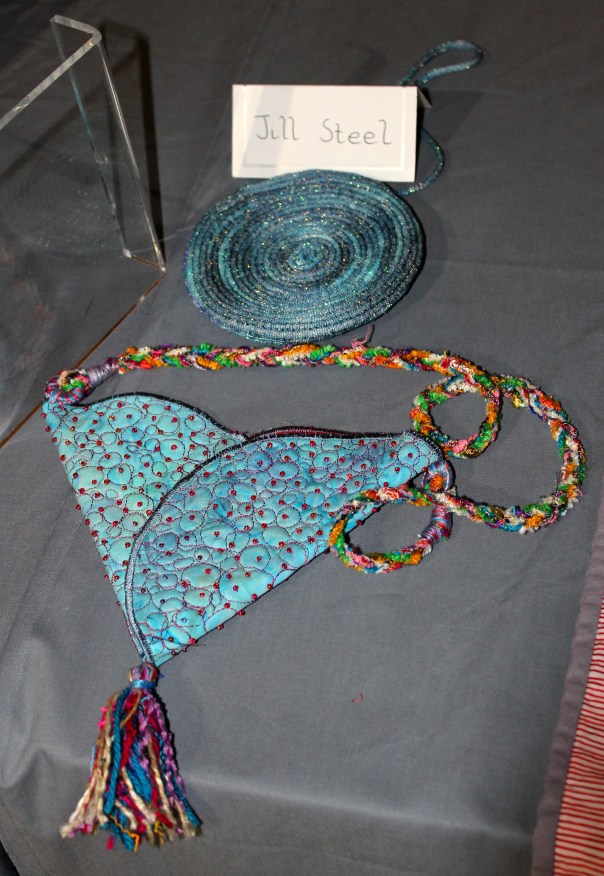


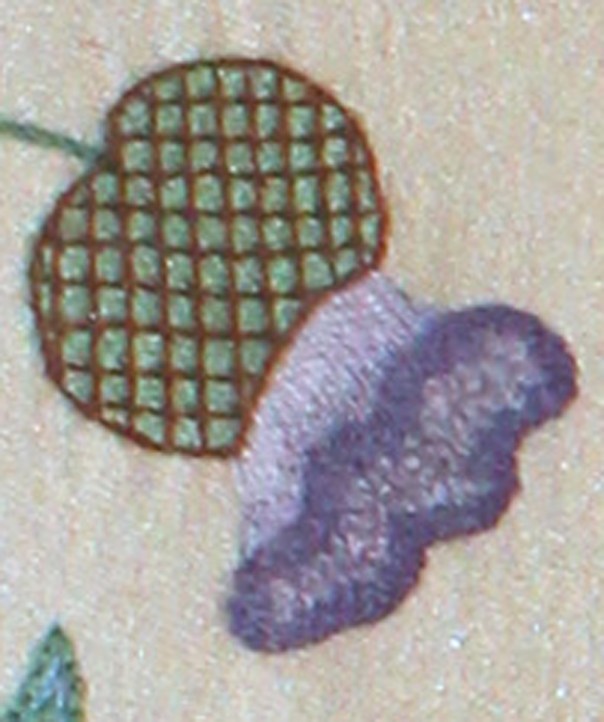


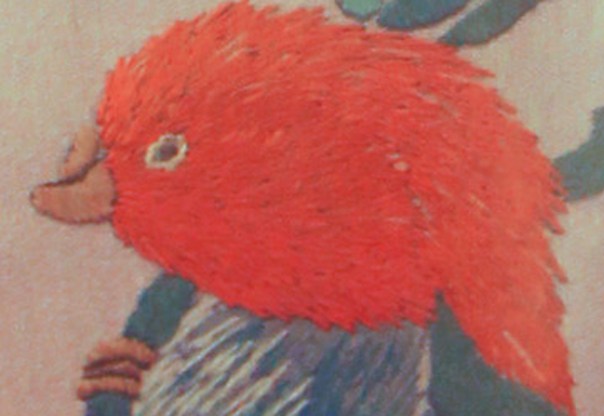


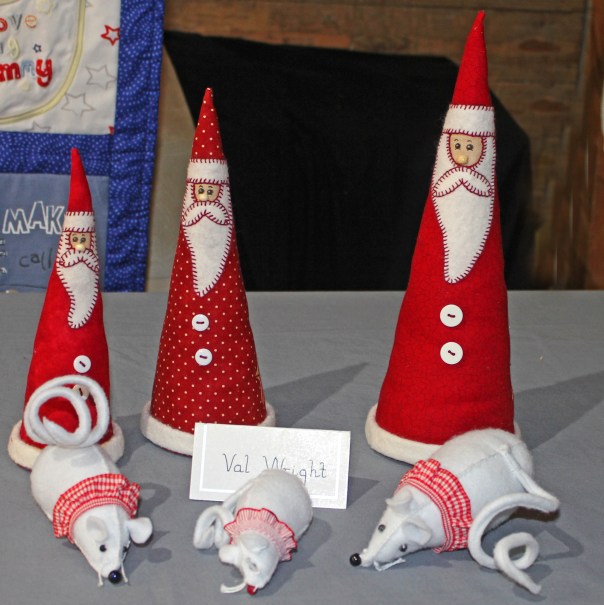
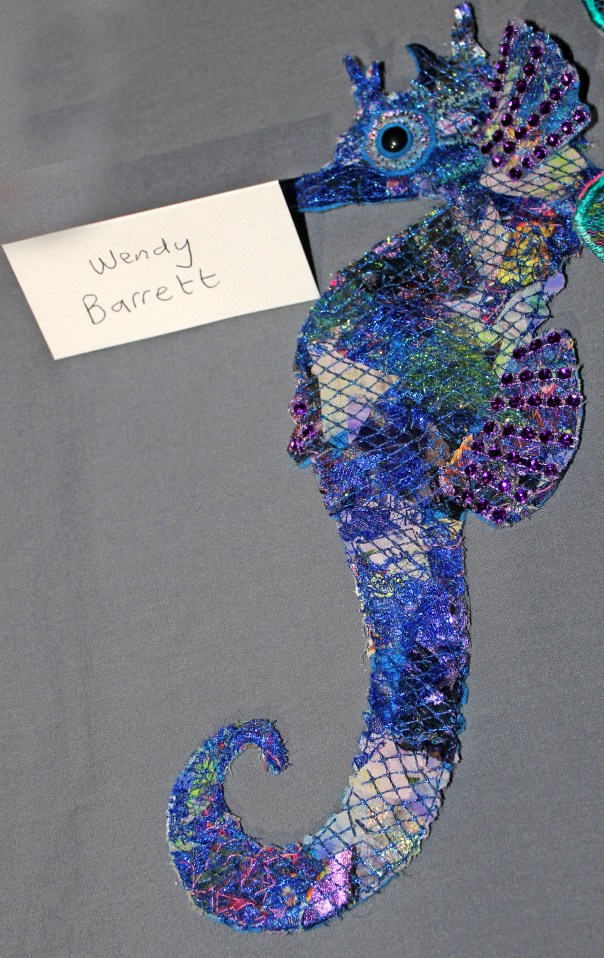
October 2017 Display


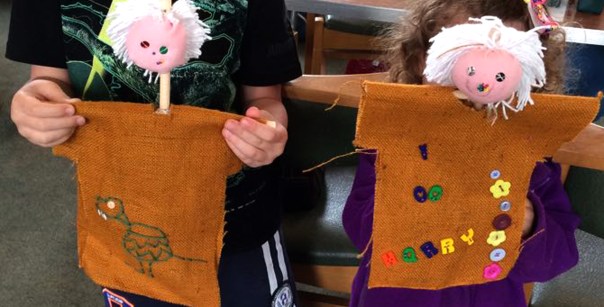
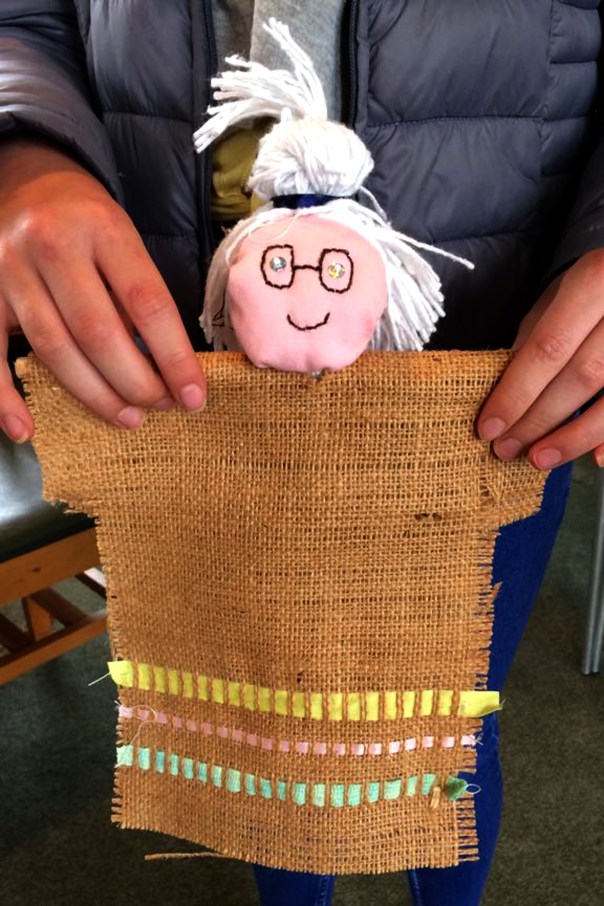
 There’ll be no crows in Cottingham now, after the EYELETS children made these scarecrows!! June 2018

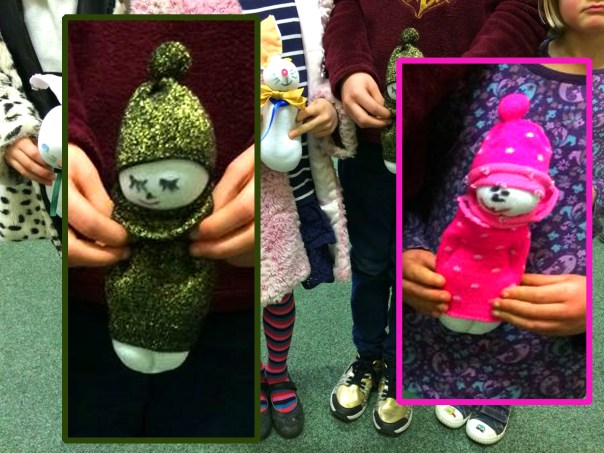

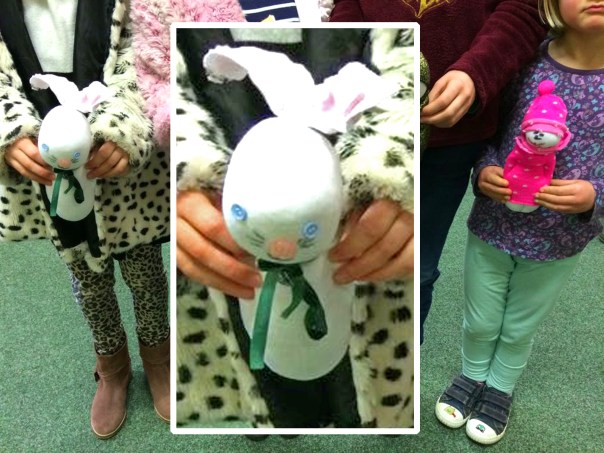


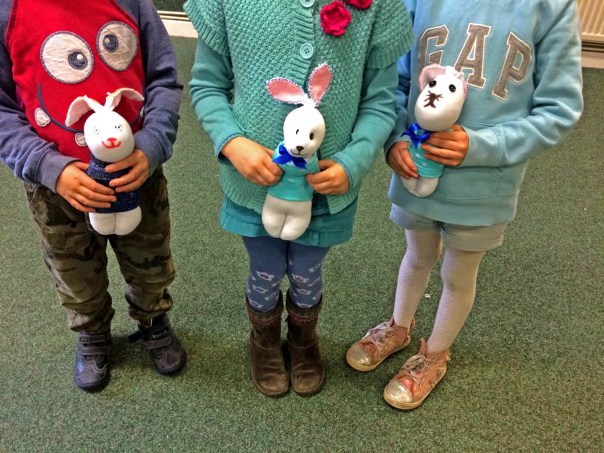
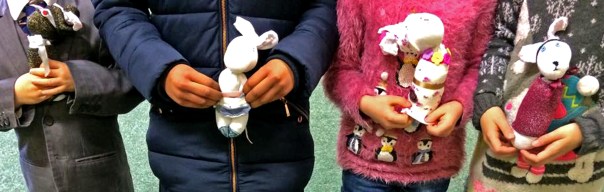


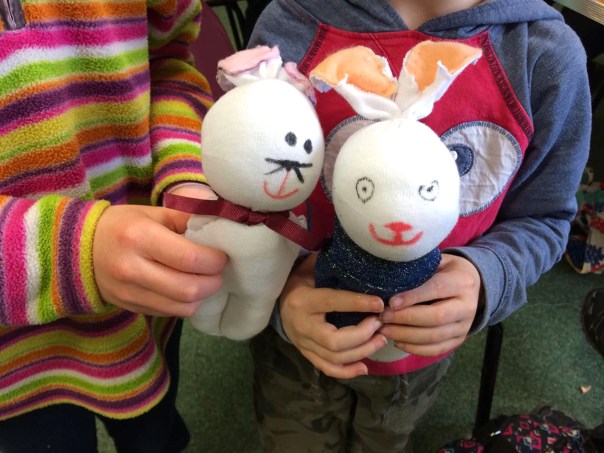 Button Pictures made by the members of EYELETS February 15th 2018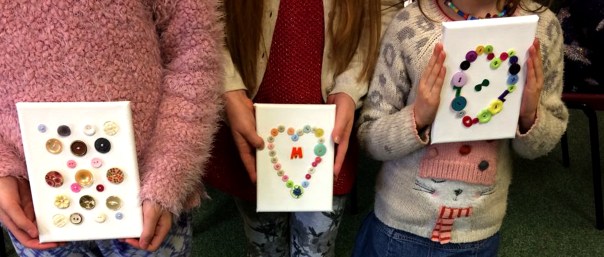
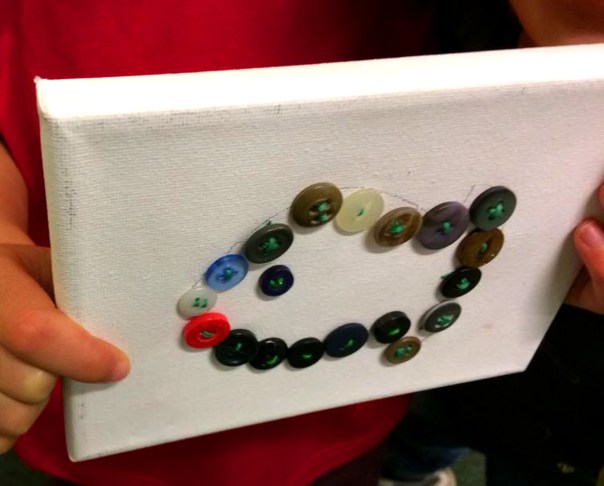


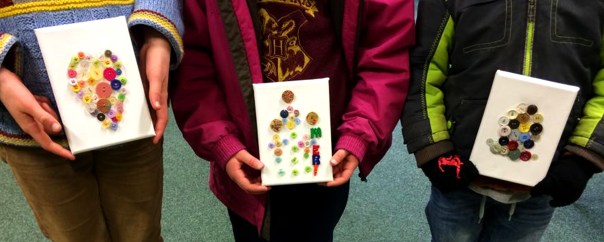
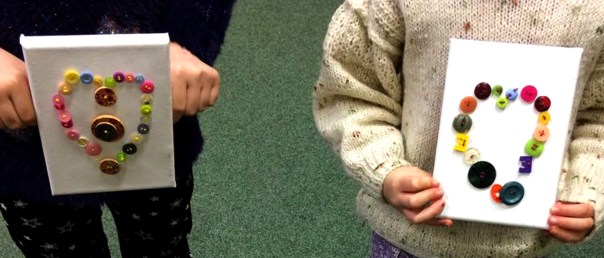

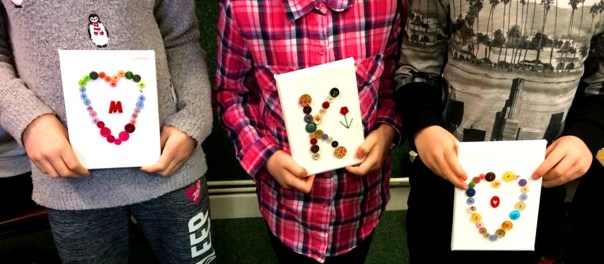
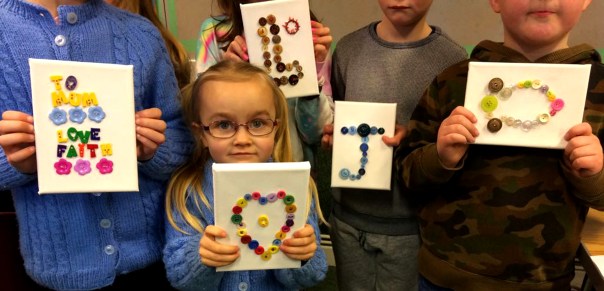
Recent work by the youngsters of Eyelets.
The self portraits , Fishing Game and Bunny Face bags are examples of 2017 work completed by the youngsters of Eyelets.


On Saturday 11th December we were treated to an interesting and informative talk by Dr Susan Kay-Williams Chief Executive of the Royal School of Needlework. Dr Kay-Williams explained that the RSN was originally set up in order to continue and preserve the great tradition of hand embroidery. She showed us slides of students using a ‘slate frame’ , a traditional tool which dates back to at least the 18th century. The ‘slate frame’ requires the fabric to be stretched as taut as a slate to be worked on, hence the name.
Whilst having a base in tradition the RSN continues to challenge it’s students to interpret their ideas. One such challenge was to stitch a self portrait and we were shown images with embroidery worked on handkerchiefs and even a kitchen sieve.
Susan’s talk covered a whole gamut of work from traditional crewel work, through to white work, black work, black work in red, stump work and a myriad of designs and interpretations of past and present students work.
My personal favourite, and judging by the gasp that went up as Susan showed the slide, many others too, was The Coronation Robe of Queen Elizabeth II from 1953. Susan showed a sample of the Gold Work undertaken by the RSN for the cloak.
Bringing us right up to date Susan talked about the hand embroidery on the cloak worn by Benedict Cumberbatch in the film Dr Strange. A great source of pride for the RSN is that, although many people may work on a particular design or project, all the work is identical. The cloak was a central character in the film and in order to withstand the rigours of filming 12 cloaks were made, each one having to be indistinguishable from the other.
Altogether a most enjoyable and educational afternoon.
Below. Dr Kay-Williams brought many samples of the work done by the RSN

A weekend with Gail Lawther.


The Society has had a wonderful few months with some fantastic speakers, great workshops and our members have given us an amazing display of their work and works in progress. I hope you will enjoy browsing through these photographs. And don’t forget to have a look at the Workshop photographs, workshops are always great fun.


